
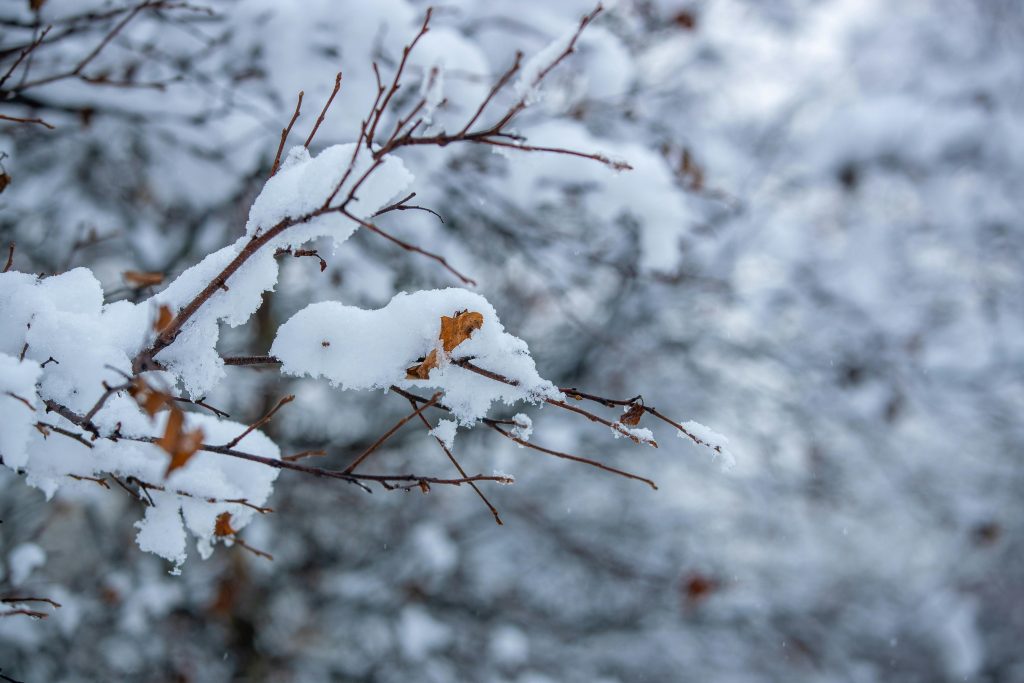
Protecting Your Home, Auto, and Business During the Coldest Months
Winter is more than just colder temperatures, shorter days, and holiday celebrations. It is also one of the most financially dangerous seasons of the year for homeowners, drivers, and business owners. From burst pipes and roof collapses to icy roads and business interruptions, winter weather consistently causes billions of dollars in insured and uninsured losses every year.
Understanding winter risks—and making sure your insurance coverage is properly structured—can be the difference between a temporary inconvenience and a long-term financial setback.
Why Winter Is a High-Risk Season
According to the Insurance Information Institute (III), winter storms—including snow, ice, freezing rain, and extreme cold—cause an average of $2–3 billion in insured losses annually in the United States. In particularly severe winters, losses can exceed $10 billion nationwide.
Winter weather impacts almost every insurance line:
-
Homeowners insurance
-
Auto insurance
-
Commercial property insurance
-
Workers’ compensation
-
Business interruption coverage
Despite these risks, surveys show that many policyholders do not review or adjust their coverage before winter begins, leaving dangerous coverage gaps.
Winter Risks for Homeowners
1. Frozen and Burst Pipes
One of the most common and expensive winter claims involves frozen pipes. When water freezes, it expands—placing extreme pressure on pipes until they crack or burst.
Key data:
-
The III reports that water damage and freezing account for nearly 24% of all homeowners insurance claims.
-
The average frozen pipe claim costs between $10,000 and $15,000, depending on severity.
Without adequate dwelling and water damage coverage, homeowners may be responsible for repairs to:
-
Walls and flooring
-
Electrical systems
-
Furniture and personal property
2. Roof Damage and Structural Collapse
Snow accumulation may look harmless, but heavy snow loads can cause roof sagging or collapse—especially on older buildings or flat commercial roofs.
Facts to know:
-
Wet snow can weigh up to 20 pounds per cubic foot
-
Roof collapse claims often exceed $25,000–$50,000
Insurance coverage must reflect current replacement costs, not outdated property values.
3. Ice Dams and Water Intrusion
Ice dams form when heat escapes through the roof, melting snow that refreezes at the eaves. This traps water under shingles and forces it into the home.
Many homeowners are shocked to learn that improper maintenance exclusions can limit coverage if preventative measures weren’t taken.
Winter Driving Risks & Auto Insurance Exposure
Winter is the deadliest season for drivers in many parts of the country.
According to the Federal Highway Administration (FHWA):
-
Over 1,300 deaths and 116,800 injuries occur annually due to icy or snowy road conditions
-
Approximately 24% of weather-related crashes happen on snowy, slushy, or icy pavement
Why Minimum Auto Coverage Is Often Not Enough
Cold-weather accidents tend to be multi-vehicle collisions, increasing:
-
Liability exposure
-
Medical costs
-
Lawsuit risk
Without sufficient:
-
Bodily injury liability limits
-
Collision coverage
-
Comprehensive coverage (for ice, falling branches, or storm damage)
Drivers may face out-of-pocket costs exceeding tens of thousands of dollars.
Winter Risks for Businesses
Winter doesn’t just slow business—it can stop it entirely.
1. Business Interruption Losses
When storms force closures, lost income can be devastating.
Industry data shows:
-
40% of small businesses never reopen after a major disaster
-
Business interruption claims during winter storms often exceed property damage claims
Without Business Income & Extra Expense coverage, businesses must still pay:
-
Rent
-
Payroll
-
Utilities
-
Loan obligations
2. Slip-and-Fall Liability
Icy walkways are one of the top causes of winter lawsuits.
According to OSHA:
-
Slips, trips, and falls account for 15% of all accidental deaths in the workplace
-
Winter-related falls increase liability claims by nearly 30%
Businesses without proper General Liability coverage or adequate limits are especially exposed.
3. Commercial Property & Equipment Damage
Cold temperatures can destroy:
-
HVAC systems
-
Plumbing
-
Inventory
-
Electronics
Retailers, contractors, offices, and service-based businesses are especially vulnerable to hidden freeze damage that isn’t discovered until it’s too late.
Why Reviewing Insurance Before Winter Matters
Many winter claims are denied or underpaid because:
-
Coverage limits were too low
-
Policies excluded certain perils
-
Deductibles were misunderstood
-
Property values were outdated
A pre-winter insurance review ensures:
-
Correct replacement cost values
-
Proper endorsements
-
Adequate liability limits
-
Business interruption protection
Insurance Is Not Just a Policy—It’s a Strategy
Winter weather is predictable. Claims don’t have to be devastating.
With the right insurance structure:
-
Homes are repaired faster
-
Businesses reopen sooner
-
Financial stress is minimized
-
Legal risks are controlled
The cost of being underinsured is almost always higher than the cost of proper coverage.
Final Thought
Winter doesn’t ask whether you’re ready—it arrives regardless. The smartest protection is proactive planning, informed coverage, and working with professionals who understand seasonal risk.
For more info, text or call Monreal Insurance Solutions (909) 757-1311.