
Life insurance remains one of the most misunderstood financial tools in America. While millions of families carry auto insurance, homeowners insurance, and health insurance, many continue to overlook the one policy designed to protect their loved ones from financial devastation after an unexpected death.
According to the 2025 Insurance Barometer Study conducted by LIMRA and Life Happens, nearly 100 million Americans either lack life insurance entirely or believe they need more coverage. Despite recognizing its importance, many individuals delay purchasing coverage due to misconceptions about cost, health requirements, or the belief that they simply do not need it yet.
The reality is that life insurance is not about preparing for death. It is about protecting the people who depend on you and ensuring that your financial goals survive even if you are no longer here.
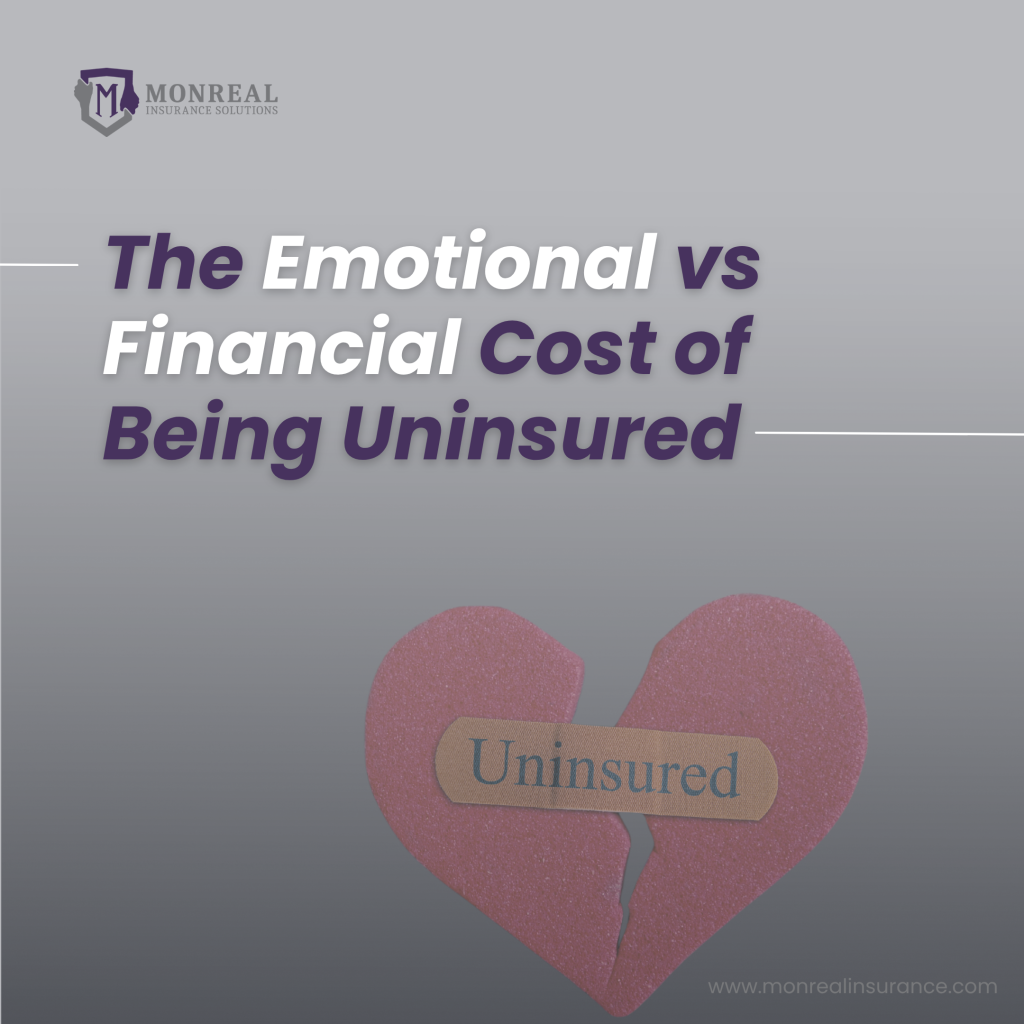
The Emotional vs Financial Cost of Being Uninsured
The loss of a loved one is one of life’s most difficult experiences. The emotional impact can be overwhelming, affecting every aspect of a family’s daily life.
However, for families without life insurance, emotional grief is often accompanied by financial hardship.
When a primary income earner dies unexpectedly, surviving family members may face:
- Mortgage or rent payments
- Utility bills
- Childcare expenses
- College tuition costs
- Credit card debt
- Medical bills
- Funeral and burial expenses
According to the National Funeral Directors Association, the average cost of a traditional funeral with burial now exceeds $8,000, while many services can easily surpass $10,000 depending on location and arrangements.
Without life insurance, families may be forced to drain savings accounts, liquidate investments, borrow money, or even sell their homes to cover expenses.
Life insurance provides immediate financial support when families need it most. Instead of worrying about bills and debt, beneficiaries can focus on healing and rebuilding their lives.
Think You Don’t Need Life Insurance? Read This First
One of the most common reasons people avoid purchasing life insurance is the belief that they do not need it.
Many individuals say:
- I am single.
- I do not have children.
- I am young.
- I have plenty of time.
While these statements may be true today, life insurance offers benefits that extend beyond replacing income.
Even if you do not have dependents, life insurance can help cover:
- Final expenses
- Outstanding personal debt
- Student loans with co-signers
- Medical bills
- Financial obligations to parents or loved ones
- Future family protection
Additionally, life insurance is significantly less expensive when purchased at a younger age.
Waiting until marriage, parenthood, or retirement often results in higher premiums due to increased age and potential health complications.
The question is not whether you need life insurance today.
The question is whether your future self will wish you had purchased it sooner.
“I Can’t Afford Life Insurance”—Or Can You?
Cost remains one of the largest barriers preventing Americans from obtaining life insurance.
Interestingly, studies consistently show that most consumers dramatically overestimate the price of coverage.
According to the 2025 Insurance Barometer Study, younger adults often believe life insurance costs ten to twelve times more than its actual price.
For example, many healthy individuals in their 20s and 30s can obtain a substantial term life insurance policy for less than the monthly cost of:
- Streaming subscriptions
- Weekly coffee purchases
- Fast-food meals
- Entertainment services
Term life insurance is specifically designed to provide affordable protection during the years when financial responsibilities are highest.
The true financial question is not whether life insurance fits into your budget.
The real question is whether your family could afford the consequences of losing your income.
A relatively small monthly premium can provide hundreds of thousands of dollars in financial protection.
“I’m Healthy, So I Don’t Need It Yet”—Here’s the Truth
Another common misconception is that healthy individuals can safely postpone purchasing life insurance.
Ironically, good health is one of the strongest reasons to purchase coverage now.
Insurance companies evaluate several factors when determining premiums, including:
- Age
- Medical history
- Height and weight
- Tobacco use
- Family health history
- Lifestyle risks
The healthier and younger you are, the lower your premium is likely to be.
Unfortunately, health can change quickly and unexpectedly.
Conditions such as:
- Diabetes
- High blood pressure
- Heart disease
- Sleep apnea
- Cancer
- Obesity
can significantly increase insurance costs or even make coverage more difficult to obtain.
Purchasing life insurance while healthy allows you to lock in lower rates and secure coverage before medical conditions arise.
The best time to buy life insurance is when you qualify for the best rates—not after your health changes.
Employer Life Insurance: Why It’s Not Enough
Many employees assume they are fully protected because they receive life insurance through work.
Employer-sponsored life insurance is an excellent benefit, but it often provides limited protection.
Most workplace policies offer:
- One times annual salary
- Two times annual salary
- Fixed coverage amounts such as $20,000 or $50,000
While helpful, these amounts are often insufficient for long-term family needs.
Financial experts frequently recommend life insurance coverage equal to ten to fifteen times annual income.
For example, a worker earning $75,000 annually may need between $750,000 and $1.1 million in coverage depending on family obligations.
Another major concern is portability.
Employer-sponsored life insurance is typically tied to employment status. If you:
- Change jobs
- Retire
- Become disabled
- Experience layoffs
you may lose some or all of your coverage.
Personal life insurance policies remain with you regardless of where you work.
Combining workplace coverage with an individually owned policy often provides the strongest protection strategy.
The Growing Need for Life Insurance in Today’s Economy
The economic realities facing families in 2026 make life insurance more important than ever.
Inflation has increased the cost of:
- Housing
- Food
- Healthcare
- Education
- Childcare
Many households rely on dual incomes simply to maintain their standard of living.
If one income suddenly disappears, surviving family members may face significant financial challenges.
Life insurance helps replace lost income and creates a financial safety net that can preserve a family’s lifestyle and long-term goals.
How Much Life Insurance Do You Need?
Coverage needs vary based on individual circumstances.
Factors to consider include:
- Annual income
- Outstanding debts
- Mortgage balance
- Number of dependents
- College funding goals
- Future living expenses
A commonly used guideline suggests purchasing coverage equal to ten to fifteen times annual income.
However, a personalized review with a licensed insurance professional can provide a more accurate recommendation.
Life insurance is not simply a financial product. It is a promise to the people who matter most.
Whether you believe you are too young, too healthy, unable to afford coverage, or already protected through work, delaying a decision can create unnecessary risks for your family.
The best life insurance policy is often the one purchased before it becomes urgently needed.
By securing coverage today, you can protect your loved ones, preserve your financial legacy, and gain confidence knowing your family will have financial support regardless of what the future brings.
For expert advice, text or call Monreal Insurance Solutions (909) 757-1311.