
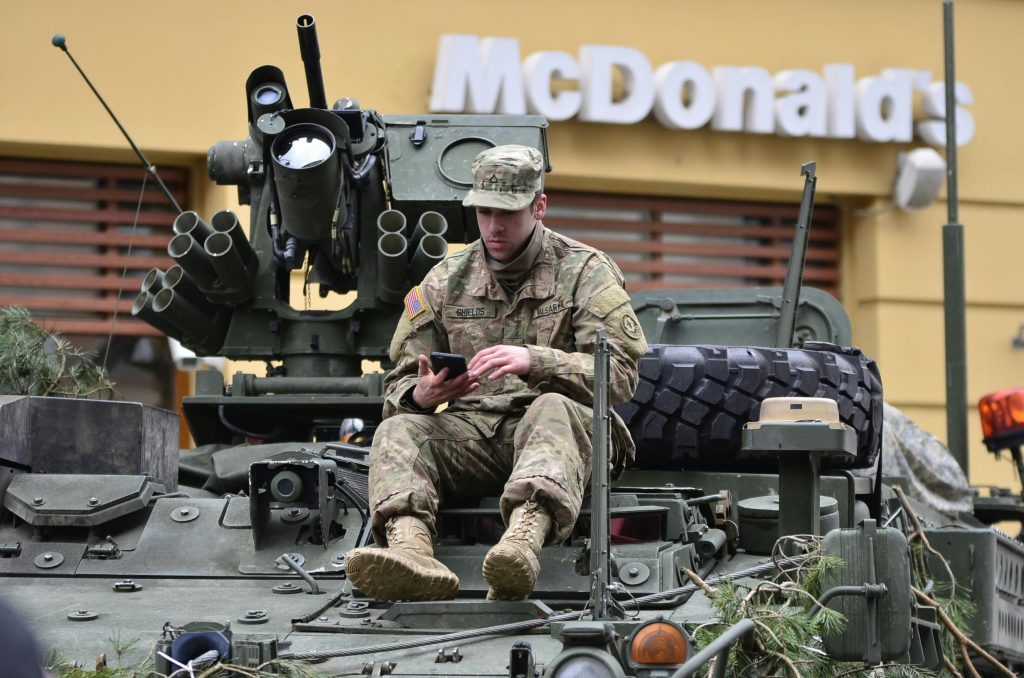
Global conflicts have always influenced economies, but the 2026 U.S.–Israel–Iran war is reshaping the global business and insurance landscape at an unprecedented scale. From disrupted shipping routes to cyber threats and rising energy costs, companies across industries are facing risks that go far beyond regional borders.
For business owners, contractors, logistics companies, manufacturers, and service providers, understanding how geopolitical conflict affects commercial insurance is no longer optional—it’s essential for survival and long-term growth.
This article explores how the current conflict is impacting global industries, why commercial insurance markets are changing, and what business owners must do to stay protected in 2026 and beyond.
The Global Economic Shock of the 2026 War
The 2026 war between the United States, Israel, and Iran has created one of the most severe global economic disruptions since the 1970s energy crisis.
Energy markets, shipping networks, and supply chains were immediately affected after the closure and disruption of the Strait of Hormuz, one of the most critical maritime routes in the world. Approximately one-fifth of global petroleum supply flows through this region, making any disruption extremely dangerous for global trade.
By early March 2026, oil prices surged above $120 per barrel, marking one of the largest supply shocks in history and triggering inflation concerns worldwide.
Economic analysts and global agencies warned that the conflict could create a prolonged period of inflation, supply shortages, and financial instability, especially if the war continues for months or years.
For businesses, these macroeconomic effects translate into real operational challenges:
- Higher transportation costs
- Limited access to materials
- Delayed project timelines
- Increased insurance premiums
Insurance companies are now recalculating risk models, which directly affects policy pricing, coverage availability, and underwriting standards.
Supply Chain Disruptions and Marine Insurance Risks
One of the industries hit hardest by the conflict is global shipping and logistics.
The Strait of Hormuz has become a major geopolitical choke point, and multiple ships have already been damaged or forced to reroute, causing shipping delays and increased operational costs.
Shipping disruptions have triggered shortages of critical materials, including:
- Microchips
- Raw industrial materials
- Construction equipment
- Fertilizer and manufacturing components
Experts warn that these disruptions can cause long-term delays across global production networks.
Insurance Impact on Shipping Businesses
Marine insurers have increased premiums dramatically due to:
- War-zone exposure
- Piracy and missile threats
- Infrastructure instability
Companies involved in importing, exporting, or transporting goods are now facing:
- Higher cargo insurance costs
- Increased war-risk coverage requirements
- Limited insurer availability in high-risk regions
For construction firms and contractors, delayed materials can result in contract penalties, project delays, and lost revenue—making business interruption insurance more important than ever.
Rising Energy Costs and Their Impact on Commercial Insurance
Energy remains the backbone of global commerce. When war disrupts oil supply, nearly every industry feels the impact.
The current conflict has removed millions of barrels of oil per day from global markets, placing pressure on energy availability and prices worldwide.
In fact, international energy authorities warned that the ongoing crisis poses one of the greatest energy security threats in modern history.
Industries Most Affected by Energy Costs
Businesses most vulnerable include:
- Construction companies
- Transportation fleets
- Manufacturing plants
- Agriculture operations
- Logistics providers
Fuel price increases create:
- Higher operating costs
- Reduced profit margins
- Increased insurance claims risk
For example, higher fuel prices increase the cost of heavy equipment operations and vehicle use—raising exposure to mechanical failure and accident risks.
Insurance Implications
Insurance carriers are adjusting underwriting policies to reflect:
- Rising operational costs
- Increased claims risk
- Greater exposure to financial loss
Businesses must review:
- Equipment coverage limits
- Commercial auto policies
- Business interruption coverage
- Umbrella liability policies
Without regular policy updates, companies may find themselves underinsured during times of economic volatility.
Aviation, Travel, and Tourism Industry Losses
Air travel has also been heavily affected by the war.
Multiple countries in the Middle East closed their airspace following military strikes, forcing airlines to cancel or reroute flights worldwide.
These disruptions created financial losses for:
- Airlines
- Travel agencies
- Hotels
- Tourism companies
Airspace closures have reduced passenger volumes and increased fuel consumption due to longer travel routes.
Insurance Challenges in Aviation
Aviation insurance is highly sensitive to geopolitical risk.
War-related exclusions often limit coverage for:
- Aircraft damage
- Passenger liability
- Flight cancellations
- Cargo loss
Many aviation companies discovered that traditional policies did not cover certain wartime disruptions, leading to major uncovered losses.
This trend serves as a warning for all industries: understanding policy exclusions is just as important as having coverage.
Cyber Warfare: The Hidden Risk Businesses Must Prepare For
Modern warfare extends far beyond physical attacks.
Cyber warfare has become a major component of the 2026 conflict, with hackers and state-sponsored groups targeting infrastructure and private companies.
By mid-March 2026, experts reported one of the largest wartime cyberattacks in history, raising concerns across financial institutions and corporate networks.
Why Cyber Risk Matters to Businesses
Cyber attacks can result in:
- Data breaches
- System shutdowns
- Financial losses
- Legal liability
- Reputational damage
Cloud infrastructure failures and regional data center outages have already disrupted online operations in parts of the Middle East.
Insurance Implications
Cyber liability insurance is rapidly becoming essential for:
- Financial institutions
- Healthcare providers
- Retail businesses
- Technology companies
- Contractors using digital tools
Businesses that lack cyber insurance risk paying out-of-pocket for:
- Recovery costs
- Legal defense
- Customer notification
- Regulatory fines
In today’s digital world, cyber risk is no longer optional—it is a core business risk.
Commodity Shortages and Inflation Risk
The war has also disrupted multiple critical commodity markets—not just oil.
Key materials impacted include:
- Fertilizer
- Helium
- Industrial metals
- Semiconductor components
These shortages are driving price increases across industries and contributing to inflation pressures worldwide.
Business Impact
Commodity shortages create:
- Production delays
- Higher manufacturing costs
- Limited product availability
- Reduced profit margins
Retailers and manufacturers are particularly vulnerable to these changes, especially businesses that rely on global sourcing.
Insurance Considerations
Businesses facing inflation should review:
- Property insurance replacement values
- Inventory coverage
- Equipment valuation
- Supply chain interruption coverage
Failing to adjust property values during inflation can result in significant underinsurance during claims.
Financial Market Volatility and Business Risk
Financial markets worldwide have shown increased volatility due to the war.
Investor confidence dropped, and stock markets experienced declines following escalating tensions and shipping disruptions.
Nearly 60% of surveyed CEOs identified geopolitical tension as a major risk to business growth, highlighting widespread concern across industries.
Why This Matters for Business Insurance
Economic volatility increases:
- Bankruptcy risk
- Credit exposure
- Contract disputes
- Liability claims
Insurance providers may respond by:
- Increasing premiums
- Tightening coverage requirements
- Adjusting underwriting standards
Businesses must plan ahead to avoid coverage gaps.
Risk Management Strategies for Businesses in 2026
In today’s global risk environment, proactive planning is essential.
Key Risk Management Steps
Business owners should:
✔ Conduct annual insurance reviews
✔ Update property and equipment valuations
✔ Evaluate supply chain vulnerabilities
✔ Implement cybersecurity protections
✔ Maintain emergency response plans
Risk management is no longer a yearly task—it must be an ongoing strategy.
Why Commercial Insurance Matters More Than Ever
The 2026 war has proven one major reality:
Global conflict can impact local businesses—even thousands of miles away.
Commercial insurance plays a critical role in helping businesses survive unexpected disruptions.
Key policies businesses should consider include:
- General Liability Insurance
- Commercial Property Insurance
- Business Interruption Insurance
- Cyber Liability Insurance
- Commercial Auto Insurance
- Umbrella Liability Insurance
These policies provide financial protection against risks that may otherwise threaten business survival.
Final Thoughts: Protecting Your Business in Uncertain Times
The global economy is more interconnected than ever before.
Events occurring across the world—such as the U.S.–Israel–Iran conflict—can influence:
- Supply chains
- Energy costs
- Insurance markets
- Business operations
Companies that prepare early are more likely to survive and thrive during uncertain times.
Insurance is not just a financial product—it is a strategic business tool.
If your business relies on transportation, materials, equipment, or digital systems, now is the time to review your insurance coverage.
Risks are evolving—and your protection should evolve with them.
For more info, text or call Monreal Insurance Solutions (909) 757-1311.