
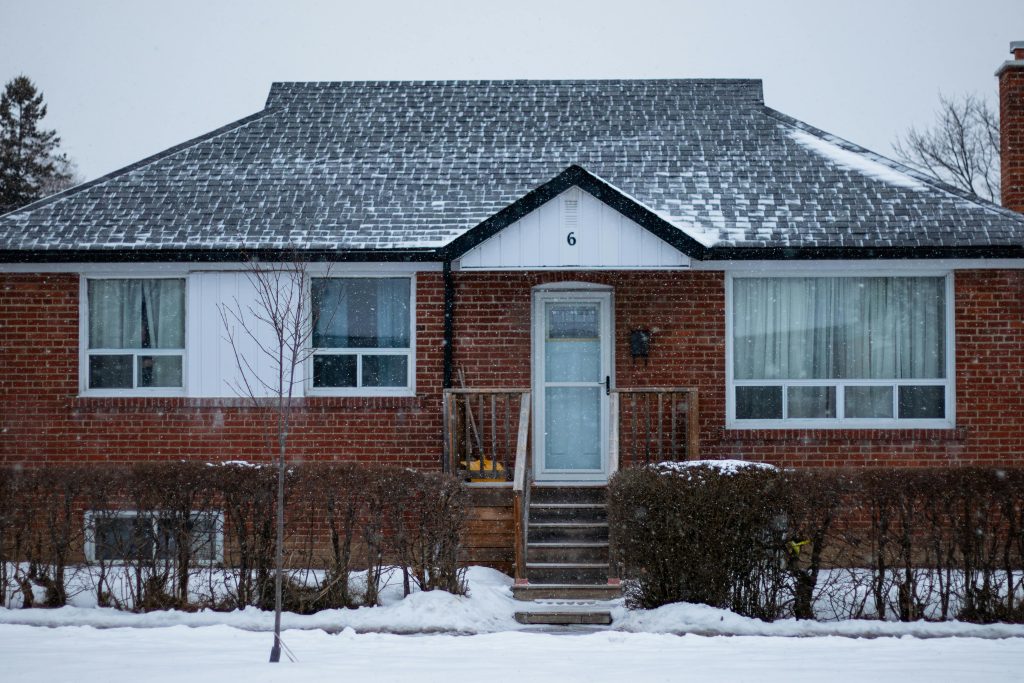
Why Proper Coverage and Seasonal Planning Matter More Than Ever
Winter is one of the most challenging seasons for homeowners. While colder temperatures and seasonal storms are expected, the financial and structural risks they create are often underestimated. Every year, winter weather causes extensive damage to homes across the United States, resulting in billions of dollars in insurance claims related to water damage, structural failure, fires, and liability losses.
Home insurance plays a critical role in protecting homeowners from these risks, but coverage alone is not enough. True protection comes from understanding how winter affects a home, preparing in advance, and ensuring that insurance policies are structured correctly to respond when losses occur.
This article explores the relationship between home insurance and winter preparedness, breaking down common winter hazards, how insurance responds, and why proactive planning is essential.
Why Winter Is a High-Risk Season for Homes
According to data from the Insurance Information Institute, winter storms consistently rank among the most costly natural events in the United States. Snowstorms, freezing rain, and extreme cold create a unique combination of risks that affect a home’s plumbing, roofing, electrical systems, and overall structural integrity.
One of the most important factors homeowners overlook is that winter-related damage often occurs gradually. Unlike fires or major storms, winter losses may begin with small issues such as heat loss, ice accumulation, or slow pipe freezing. These problems can escalate quickly, leading to major claims that could have been prevented with proper preparation.
Understanding How Home Insurance Applies in Winter
Homeowners insurance typically covers sudden and accidental damage caused by winter-related events, but coverage depends heavily on policy language, limits, and exclusions. Most standard policies include protection for:
- Damage caused by frozen or burst pipes
- Roof damage or collapse due to the weight of snow or ice
- Water damage resulting from ice dams
- Fire damage caused by heating equipment
- Liability claims related to winter slip-and-fall incidents
However, coverage may be limited or denied if damage is attributed to neglect, improper maintenance, or failure to take reasonable preventative measures. This makes winter preparedness not just a safety issue, but an insurance eligibility issue as well.
Frozen Pipes: The Most Common Winter Claim
Frozen pipes are among the leading causes of winter-related home insurance claims. When temperatures drop below freezing, water inside pipes expands, placing extreme pressure on the pipe walls. This pressure can cause pipes to crack or burst, releasing large volumes of water into walls, ceilings, and flooring.
Industry studies show that water damage and freezing account for nearly one-quarter of all homeowners insurance claims, with average losses often exceeding $10,000 per incident. In severe cases, total damages can surpass $50,000 once repairs, mold remediation, and temporary housing are factored in.
Insurance generally covers damage from frozen pipes if the homeowner maintained adequate heat in the home or properly shut off and drained the plumbing system. Claims may be denied if the property was left unheated or unattended without reasonable precautions.
Roof Damage, Snow Load, and Structural Collapse
Snow accumulation is another major winter hazard. While light snow may not pose an immediate threat, heavy or wet snow can place thousands of pounds of weight on a roof. Flat roofs and older structures are particularly vulnerable.
Engineering studies estimate that wet snow can weigh up to 20 pounds per cubic foot. Over time, this weight can cause roof sagging, cracked supports, or full structural collapse. Roof collapse claims are among the most expensive winter losses, often involving repairs to framing, insulation, electrical systems, and personal property.
Most homeowners insurance policies cover roof collapse due to snow or ice, but only up to the dwelling coverage limit. If the home is underinsured or insured based on outdated construction costs, the payout may fall far short of what is required to rebuild.
Ice Dams and Hidden Water Damage
Ice dams form when warm air escapes through the attic, melting snow on the roof. As melted snow flows downward and refreezes at the roof edge, it creates a barrier that traps water behind it. This trapped water can seep under shingles and into the home.
Ice dam damage is particularly dangerous because it is often hidden until significant damage has already occurred. Water intrusion can affect insulation, drywall, electrical wiring, and framing.
While many policies cover water damage caused by ice dams, insurers may limit coverage if inadequate insulation or ventilation contributed to the problem. Preventative maintenance, such as proper attic insulation and roof ventilation, plays a major role in claim approval.
Heating Systems and Fire Risks
During winter, homes rely heavily on heating systems, fireplaces, and space heaters. Unfortunately, heating equipment is also one of the leading causes of residential fires in colder months.
Data from the National Fire Protection Association shows that heating equipment is responsible for approximately one in seven home fires annually, with winter months seeing the highest frequency.
Home insurance covers fire damage, but claims investigations often examine whether heating systems were properly installed, maintained, and used according to safety standards. Improper use of space heaters or unmaintained chimneys can complicate claims and increase liability exposure.
Liability Risks During Winter
Winter hazards extend beyond property damage to personal liability. Icy driveways, sidewalks, and walkways significantly increase the risk of slip-and-fall injuries. Homeowners can be held legally responsible if guests, delivery drivers, or service providers are injured on their property.
Liability claims related to winter falls can involve medical expenses, lost wages, and legal costs. Standard homeowners insurance includes personal liability coverage, but limits may be insufficient in serious injury cases. Medical costs from a single fall can easily exceed $100,000.
The Importance of Adequate Coverage Limits
Many homeowners purchase insurance based on the market value of their home rather than the true cost to rebuild it. Winter claims frequently expose this mistake. Rebuilding costs are driven by labor shortages, material prices, and regional construction costs, all of which tend to rise during widespread winter disasters.
Ensuring that dwelling coverage reflects full replacement cost is essential. Additionally, homeowners should review endorsements such as:
- Ordinance or law coverage
- Water backup coverage
- Additional living expenses coverage
These endorsements can make a substantial difference in recovery after a winter loss.
Winter Preparedness as a Risk Management Strategy
Insurance is not designed to replace maintenance or preparation. Insurers expect homeowners to take reasonable steps to protect their property. Winter preparedness reduces the likelihood of claims and improves the outcome when claims occur.
Effective winter preparedness includes regular inspections, maintaining heat, addressing insulation issues, and understanding how insurance responds before a loss happens.
Final Thoughts: Insurance and Preparation Work Together
Winter weather is predictable. The damage it causes does not have to be financially devastating. Home insurance provides a safety net, but only when coverage is adequate and homeowners take proactive steps to reduce risk.
Understanding winter hazards, maintaining the home, and reviewing insurance coverage before the cold season begins are critical steps in protecting one of the most important investments a person will ever make.
For more info, text or call Monreal Insurance Solutions (909) 757-1311.